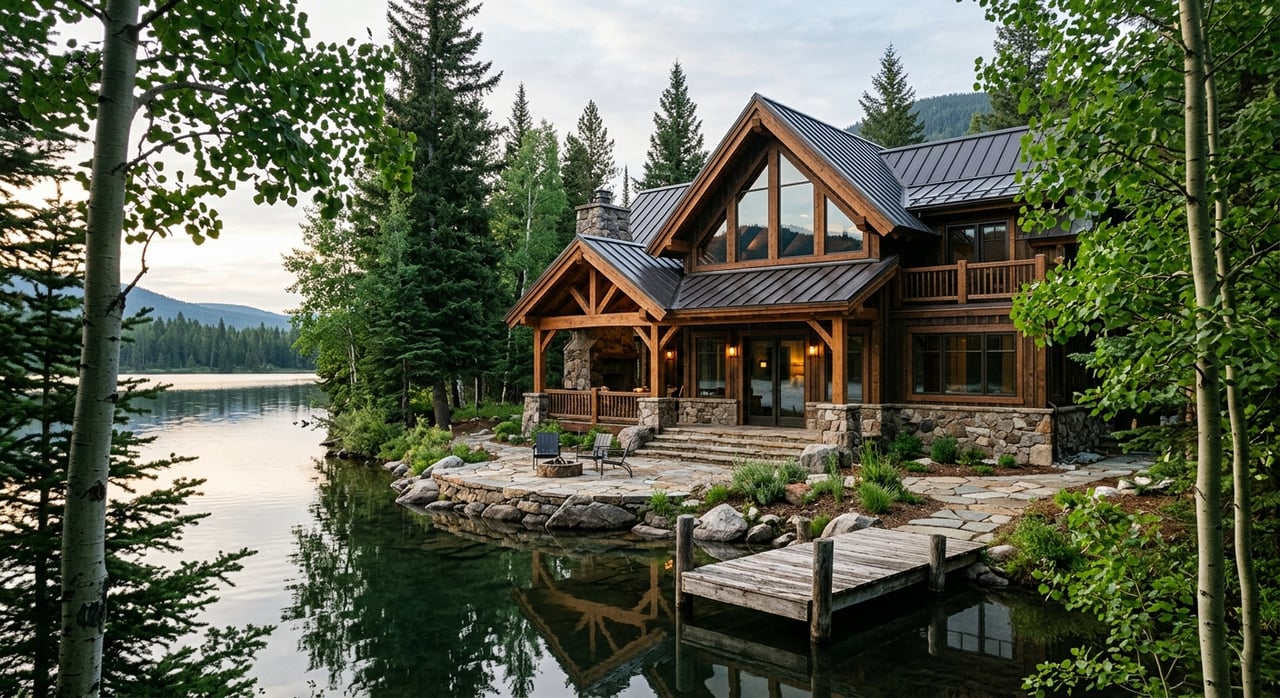
If you’re dreaming about a waterfront home in Grand Lake, you might assume every listing will turn into a bidding war. The reality is a little more nuanced. The overall market has been slower, but true waterfront remains a small, specialized slice of inventory where the best properties can still draw fast, serious attention. If you want to compete well, you need more than enthusiasm. You need a plan. Let’s dive in.
Why waterfront competition is different
Grand Lake’s broader housing market has shown signs of balance. As of March 2026, there were 177 homes for sale in Grand Lake, with a median listing price of $758,500, median days on market of 130, and a 99% sale-to-list ratio. Grand County’s February 2026 update also showed 5.6 months of supply and 160 days on market for single-family homes.
That said, waterfront is not the same as the broader market. In the same period, there were only 40 active waterfront homes in Grand Lake. That smaller pool means competition is often concentrated around the most appealing shoreline properties, especially homes with desirable access, usable waterfront features, and fewer post-closing surprises.
Know what “waterfront” really means
Before you think about offer strategy, make sure you understand what you are buying. Not every property marketed near the water gives you the same access, use options, or future flexibility.
A home may be true waterfront, lake view, or simply near the water. That distinction matters in Grand Lake because shoreline rules can affect what you can build, keep, or change later. The town’s application materials also require the high-water line to be shown on site plans, which underscores how important the exact relationship to the shoreline can be.
Ask direct questions early
When you find a property you like, it helps to clarify a few things right away:
- Is the parcel truly on the water, or does it only have a view?
- Is there an existing dock, and is it permitted?
- Are there setback limits that affect additions or improvements?
- Is the property within Grand Lake town limits?
- Does the parcel border Shadow Mountain Lake, where additional regulations may apply?
These questions can help you avoid falling in love with a home that does not support the lifestyle you have in mind.
Get financially ready before the right home appears
In a niche market, timing matters. Even when the overall market feels slower, the right waterfront home can attract attention quickly because there are so few comparable options.
A preapproval letter is one of the most important tools to have ready. The Consumer Financial Protection Bureau says a preapproval letter shows a lender is tentatively willing to lend up to a certain amount, though it is not a guaranteed loan offer. Sellers often want to see this before accepting an offer, and these letters typically expire in 30 to 60 days.
It is also smart to talk with more than one lender. Different lenders may ask for different documentation, and getting preapproved early can surface issues before you are under contract. You are not locked into that lender just because you got preapproved.
What to have lined up
Before the right waterfront home hits your radar, try to have these pieces in place:
- A current preapproval letter
- Proof of funds for your down payment and closing costs
- A clear comfort range for monthly payment and cash to close
- A short list of must-haves versus nice-to-haves
- A plan for how quickly you can tour or review a property remotely
This kind of preparation helps you move with confidence instead of scrambling under pressure.
Build a smart offer, not just a high offer
If you end up competing with another buyer, price is only one part of the picture. A strong offer is usually one that feels solid, realistic, and easy for the seller to trust.
In multiple-offer situations, terms can matter just as much as headline price. Financing terms, contingencies, earnest money, closing timeline, concessions, and escalation clauses can all shape how competitive your offer looks. That means your goal is not simply to offer more. It is to present an offer that matches the seller’s priorities while still protecting your interests.
Ways to strengthen your position
Depending on the property and your situation, a competitive offer may include:
- A current preapproval letter with strong supporting documentation
- A closing timeline that aligns with the seller’s needs
- Clean, well-organized offer terms
- Earnest money that shows commitment
- Thoughtful contingency structure based on the property and your risk tolerance
In Grand Lake waterfront transactions, clarity matters. Sellers may feel more confident choosing a buyer who appears prepared for both the purchase and the realities of owning shoreline property.
Understand Grand Lake shoreline rules
One of the biggest reasons waterfront homes require extra strategy is that the property itself may come with added local process. If your long-term plan includes a dock, boathouse, covered structure, or shoreline improvements, you need to understand the rules before you buy.
The Town of Grand Lake maintains a 30-foot stream-and-lake setback from the mean identifiable high-water mark for buildings, parking, snow storage, and other improvements. If you want to do work inside that setback, you may need a variance. That process includes Planning Commission review, public notice to nearby owners, a non-refundable fee, and final Board action.
Dock and boathouse rules matter
The town treats waterfront structures differently depending on what you want to build or modify.
- Covered boat docks and boathouses require a public hearing before a building permit is issued.
- Uncovered docks do not require a public hearing if they meet zoning rules.
- If a property borders Shadow Mountain Lake within town boundaries, U.S. Forest Service regulations apply to boathouse and dock construction.
That means two homes with similar shoreline frontage may offer very different future use options.
Plan for post-closing timelines
A waterfront purchase is not only about winning the contract. It is also about understanding what happens after closing if you want to make changes.
In Grand Lake, the timeline for improvements can stretch beyond what buyers expect. Complete applications for matters going to Planning Commission are due 21 days before the next meeting, and public notice must go out at least 15 days before the hearing. Board action comes after Planning Commission review, so projects involving variances or special-use approval are measured in weeks, not days.
The town also contracts building services with Grand County. Most permits and inspections go through the Grand County Building Department and CloudPermit. The town notes that plan review is normally within a week, but it can take longer during the busy spring and summer building season.
What this means for you
If you are buying a waterfront home with plans to improve it right away, build extra time into your expectations. A closing date is not the same thing as a start date for shoreline work.
This is especially important if your second-home plans depend on having a dock ready for boating season. In some cases, the better move is to prioritize a property that already has the features you want and the records to support them.
Review documents before you commit
In a niche market, it is easy to focus on scarcity and rush past the paper trail. That is where disciplined due diligence can set you apart and protect you at the same time.
A prudent document request should include the survey, permit history, HOA covenants, and any variance records. The town’s materials specifically reference site plans, HOA approval, erosion-control measures near water, and additional details for certain applications. Those details can help you confirm what exists today and what may be possible later.
Key items to review
Ask for and review these items as early as possible:
- Property survey
- Permit history for docks, shoreline work, and structures
- HOA covenants or architectural guidelines, if applicable
- Any prior variance approvals or denials
- Site-plan details showing the high-water line
This review can help you understand whether a feature is legally established, whether changes may require additional approval, and whether ownership comes with limits that affect your plans.
Consider boating access alternatives
Not every buyer needs a private dock to enjoy the water. If a home checks many of your boxes but does not include dock rights or a private dock setup, it is worth understanding what other access options exist.
The Town of Grand Lake operates Headwaters Marina, where several public boat slips are free for day use only. Docking is prohibited from 2 a.m. to 5 a.m. That is not the same as private dock ownership, but for some buyers it may offer a workable alternative depending on how they plan to use the property.
This kind of flexibility can expand your search and reduce pressure to compete only for the smallest group of fully dock-equipped homes.
Work with a local strategy
Competing for a waterfront home in Grand Lake is not about assuming every listing will move instantly. It is about recognizing that shoreline inventory is limited, local rules can shape value and usability, and the strongest buyers are usually the ones who prepare before the right home appears.
That is why local guidance matters. In a market like Grand Lake, you benefit from a strategy that combines fast communication, careful property screening, and a clear understanding of the town’s waterfront approval process. If you want help tracking opportunities, evaluating shoreline constraints, and building a competitive offer, Erin Life can help you search with more clarity and confidence.
FAQs
How competitive are waterfront homes in Grand Lake?
- Grand Lake’s overall market has been slower, but waterfront inventory is much smaller, with 40 active waterfront homes noted in the research. That means competition tends to center on the best shoreline properties rather than every listing in town.
What does true waterfront mean in Grand Lake real estate?
- True waterfront generally means the parcel directly borders the water, but you should confirm the exact lot relationship, high-water line, and any setback limits because those factors affect use and future improvements.
Can you add a dock to a Grand Lake waterfront home?
- Possibly, but the rules depend on the type of dock and the property location. Covered docks and boathouses require a public hearing, uncovered docks may be allowed if they meet zoning rules, and Shadow Mountain Lake properties may have additional requirements.
How close can you build to the water in Grand Lake?
- The Town of Grand Lake has a 30-foot stream-and-lake setback from the mean identifiable high-water mark for buildings, parking, snow storage, and other improvements. Work inside that setback may require a variance.
How long do waterfront improvement approvals take in Grand Lake?
- If a project needs Planning Commission review or a variance, the timeline is measured in weeks, not days. Complete applications are due 21 days before the meeting, public notice must be provided 15 days before the hearing, and final Board action follows review.
What documents should you review before buying a Grand Lake waterfront home?
- A strong due-diligence package includes the survey, permit history, HOA covenants, variance records, and site-plan details showing the high-water line.
Is a preapproval letter important when buying a waterfront home in Grand Lake?
- Yes. Sellers often want to see a preapproval letter before accepting an offer, and having one ready helps you act quickly when a rare waterfront property becomes available.