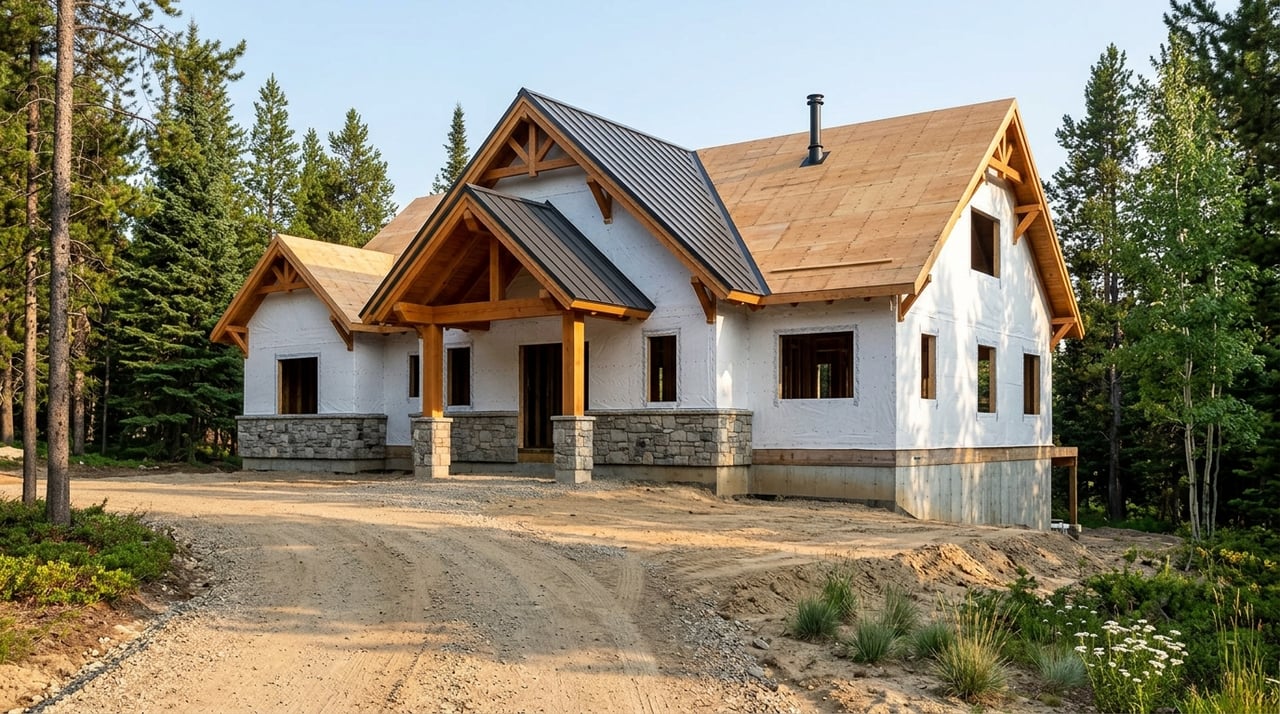
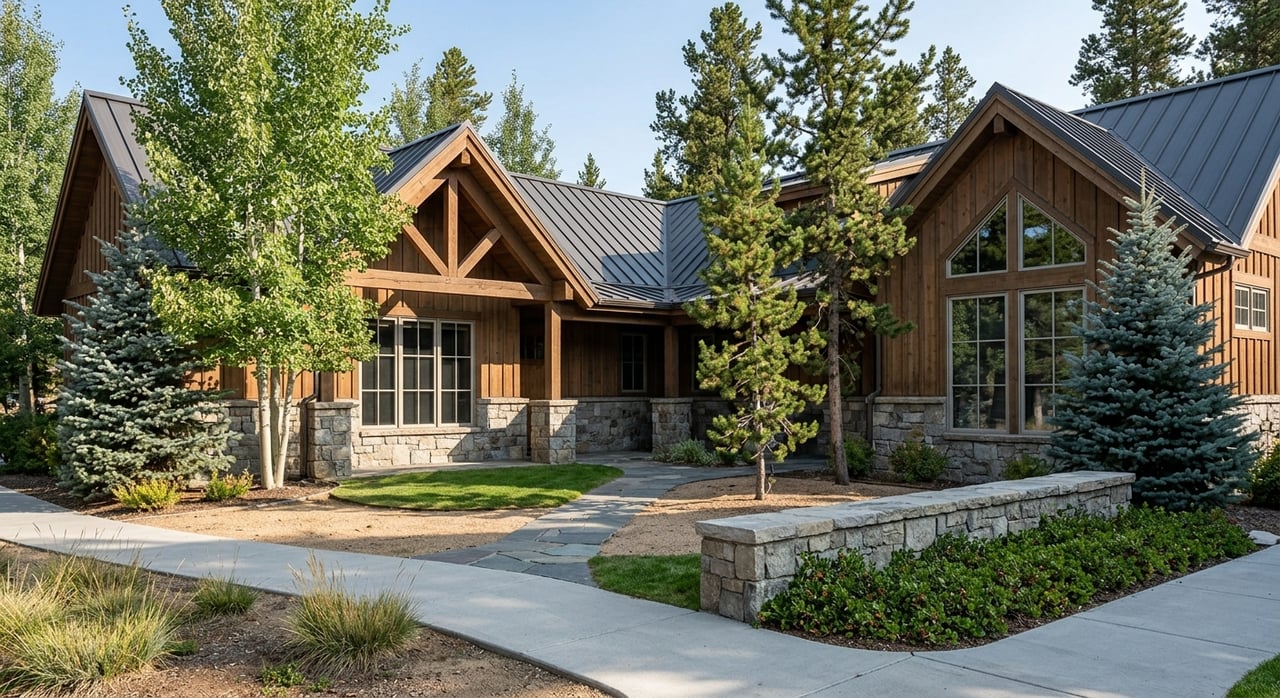
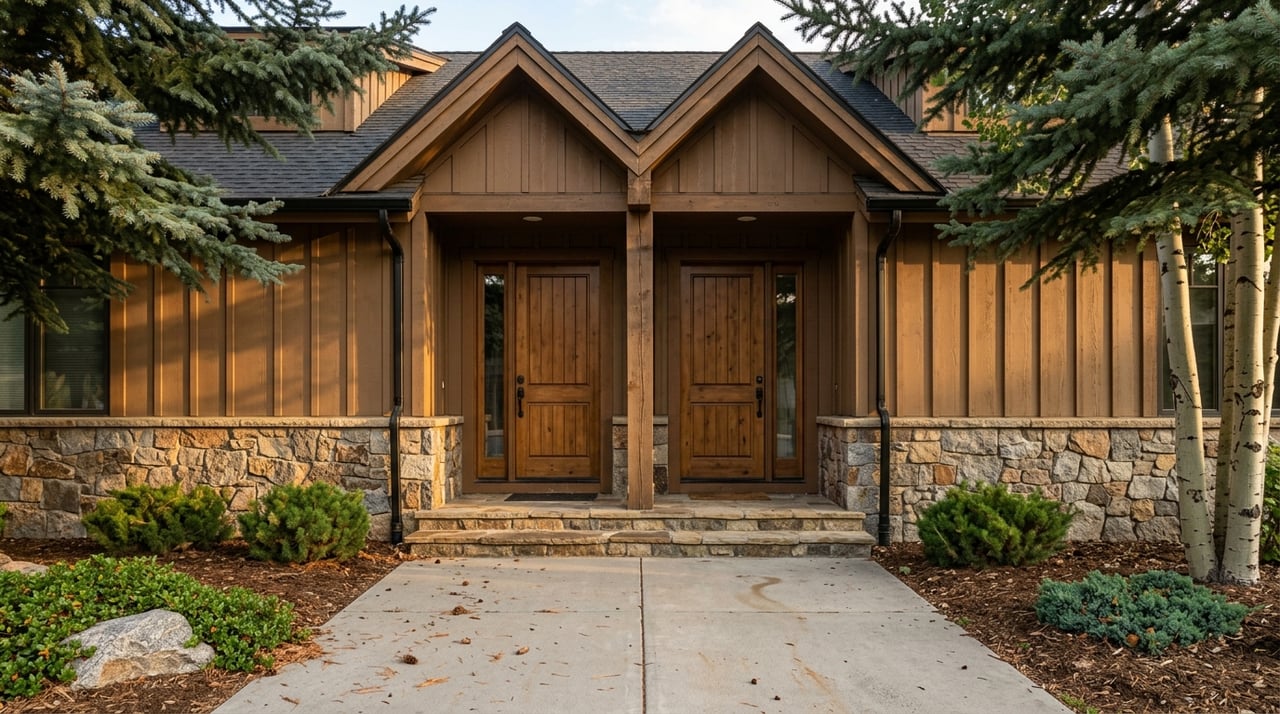
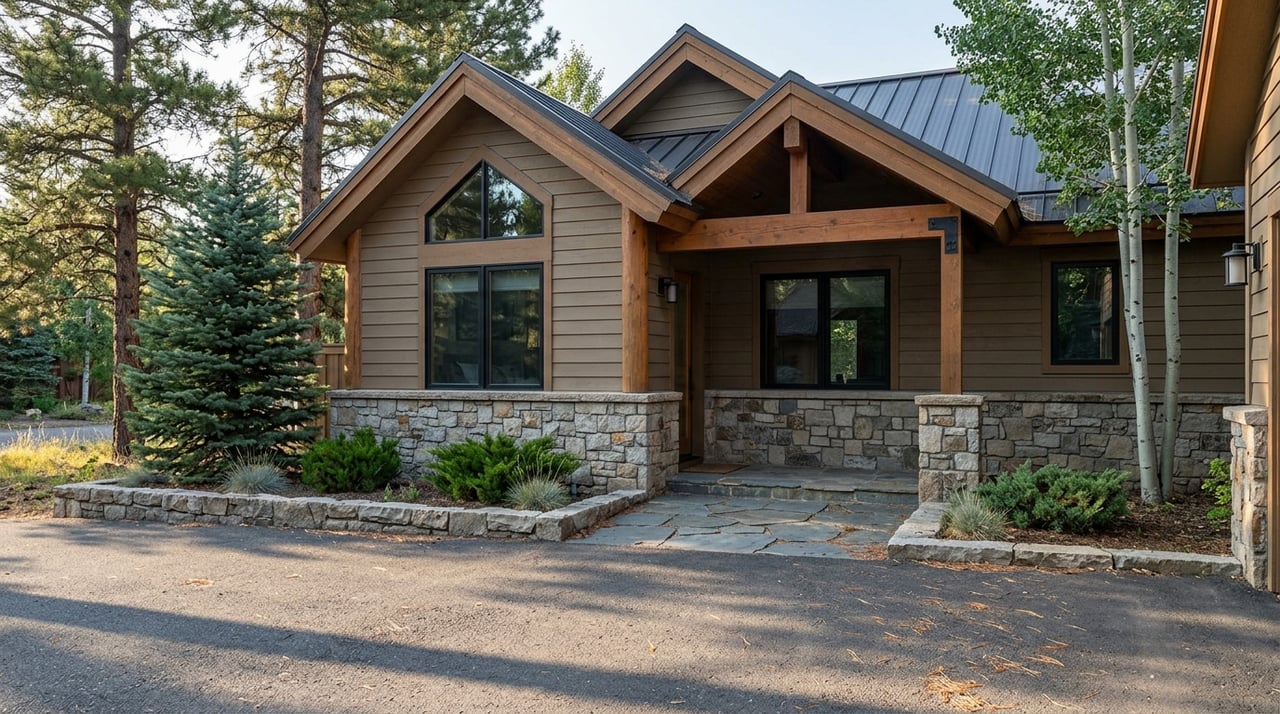
Thinking about turning a Grand Lake cabin into a short-term rental? You’re not alone. With Rocky Mountain National Park next door and four-season recreation, demand is strong and seasonal, which makes the market attractive but also sensitive to how rentals operate. In this guide, you’ll learn the basics of permits and taxes, common operating rules, how HOAs fit in, and a practical checklist you can use during due diligence. Let’s dive in.
Why Grand Lake STRs are unique
Grand Lake is a resort town that experiences strong seasonal swings. Summer and shoulder seasons draw park visitors, while winter brings snow-focused recreation. That profile can support solid booking calendars, yet it also raises expectations around parking, noise, and safety. Planning for seasonality and community standards upfront will protect your revenue and reputation.
Start with permits and taxes
Short-term rental rules are primarily local. Begin with the Town of Grand Lake, then confirm county lodging taxes and state sales tax requirements. Getting this sequence right helps you avoid fines or delays at closing.
Town registration and licensing
Many Colorado resort towns require either a business license or a specific short-term rental registration. In Grand Lake, you should verify current requirements with the Town Clerk or Planning Department. Ask about fees, renewal schedules, whether an on-call local contact is required, and if there are any program caps, owner-occupancy rules, or minimum-stay limits.
County lodging tax and state sales tax
Short-term rentals typically trigger Grand County lodging tax and Colorado state sales tax obligations. Contact the Grand County Treasurer or Finance Department to confirm lodging tax registration and remittance procedures. Check with the Colorado Department of Revenue on how to register for sales tax, file returns, and remit proceeds for short stays.
Platform collection and remittance
Some towns and counties have agreements where platforms collect and remit lodging taxes, while in other places hosts are responsible. Confirm whether Grand Lake has a marketplace-collection arrangement and, if so, which taxes are covered. Even with platform collection, you are still responsible for full compliance and accurate filings where required.
Inspections and life-safety compliance
Before you can operate, you may need to pass a safety review. Ask if Grand Lake requires initial or periodic inspections and which authority handles them, such as the local fire protection district or building department. Typical checks include smoke and CO detectors, fire extinguishers, egress windows and doors, and visible address numbers.
Operating standards to expect
While specifics come from the town code and your property’s zoning, mountain resort towns commonly regulate how rentals operate. Build your house rules and listing content around these areas.
Occupancy limits
Many towns tie maximum occupancy to bedroom count or floor area. If your property uses a septic system, capacity can further limit occupancy. Plan to post your maximum occupancy inside the home and in your listing to set clear expectations for guests.
Parking requirements
You can expect off-street parking minimums that scale with bedroom count or unit size. Some streets limit overnight parking or have seasonal restrictions, especially during snow season. Create a simple parking map for guests and include it in pre-arrival instructions to reduce complaints.
Noise and quiet hours
Local noise ordinances often define quiet hours and nuisance standards. Many towns require a local contact to respond to complaints within a short window, often within an hour. Clear house rules and prompt responses help prevent escalated enforcement.
Signage and advertising
On-property signs may be limited or require permits, especially in residential zones. Some towns require you to display your short-term rental registration or license number in online listings. Keep marketing compliant and low-impact to avoid violations.
Safety, utilities, and environmental issues
Expect requirements for smoke and CO alarms, fire extinguishers, and safe egress. In rural and older cabins, septic and well systems can shape allowable occupancy and maintenance schedules. Wildfire risk and snow conditions make defensible space, emergency access, and snow removal planning important for both safety and insurability.
Enforcement and penalties
Cities typically use escalating penalties for violations, including fines per day, permit suspension, or revocation. Most enforcement follows neighbor complaints. A strong local contact plan, clear house rules, and evidence of compliance will lower your risk.
HOAs and private rules
If your property sits within an HOA, that association’s rules apply in addition to town regulations. HOAs can prohibit short-term rentals entirely or allow them with restrictions such as minimum stays, on-site manager requirements, guest registration, or additional insurance.
- Obtain and review CC&Rs, bylaws, rules and regulations, and any rental policy statements.
- Ask the HOA manager for any pending amendments, recent enforcement actions, or appeals related to rentals.
- Confirm required insurance coverage, deposits, and whether any board approvals are needed before renting.
Even if the town permits short-term rentals, an HOA may restrict them. Always confirm both layers before you write offers.
What to verify with local authorities
Use this list to speed up your calls and emails. Keep notes, screenshots, and dated confirmations for your file.
- Town of Grand Lake: Do you require a short-term rental permit or business license? What are current fees, inspection needs, and renewal timelines? Are there caps, owner-occupancy rules, or minimum-stay limits?
- Zoning and use: What is the parcel’s zoning, and is short-term rental use permitted as-of-right or by license only?
- Fire and building: What life-safety standards apply to rentals? Who performs inspections, and how often?
- Grand County: How do I register for lodging tax and file remittances?
- Colorado Department of Revenue: What sales tax registration is required, and how do filings work for short stays?
- Platform remittance: Do Airbnb or VRBO collect and remit any local taxes here, and which ones remain my responsibility?
Due-diligence checklist for buyers
Use this during your contract period to confirm rules, costs, and viability. It will also help you value the property and underwrite operations.
- Town permits
- Current license or permit documents and renewal dates.
- Written confirmation on transferability at sale.
- Town code and zoning
- Relevant code excerpts for short-term rentals and the parcel’s zoning designation.
- Any minimum-stay, occupancy, or local-contact rules.
- Taxes and filings
- Proof of Grand County lodging tax registration and recent remittances.
- Colorado sales tax registration and recent filings.
- Clarification on platform tax collection.
- HOA documents
- Full CC&Rs, bylaws, rules and regulations, rental policy statements, and meeting minutes related to rentals.
- Pending amendments, enforcement history, and any fees or deposits for rental owners.
- Complaints and enforcement
- Town or HOA records of past complaints, notices, or fines affecting the property.
- Safety and inspections
- Proof of smoke and CO alarms, fire extinguishers, and egress compliance.
- Any required inspection reports from the fire district or building department.
- Septic system design and maintenance records if applicable.
- Parking plan
- Documented off-street parking count and guest instructions for parking and snow season.
- Insurance
- Policy declarations showing a short-term rental endorsement or appropriate commercial liability coverage.
- Local contact plan
- Name and availability commitments for your local agent or on-site manager who will handle complaints and emergencies.
- Operating history
- Booking calendars, occupancy rates, average daily rate, reviews, and P&L statements if the property has been rented before.
- Seasonal constraints
- Any seasonal rules or event limitations that affect occupancy, parking, or access.
Risk and operations in a mountain market
Mountain resort operations have distinct cost and risk patterns. Plan for them early to protect your margins and your permit standing.
- Seasonality: Expect peaks in summer and shoulder seasons, with a winter bump driven by snow activities. Budget for variable occupancy and staffing.
- Infrastructure: Older cabins often have septic or well limitations that can cap occupancy and drive maintenance needs. Verify ratings and service records.
- Wildfire and snow: Maintain defensible space, ensure visible address markers, and line up snow removal so guests can access parking and exits.
- Insurance and liability: Many standard homeowner policies limit or exclude short-term rental activity. Secure specialized coverage that matches your use.
- Neighbor relations: Proactive communication, house rules, and rapid local contact response can prevent complaints and protect your permit.
Pro tips to keep operations smooth
- Post your maximum occupancy, parking rules, and quiet hours inside the home and in your digital guidebook.
- Use a guest messaging sequence that reiterates parking and noise expectations 24 hours before arrival.
- Keep maintenance logs for alarms, extinguishers, and septic service to demonstrate compliance if questions arise.
- Schedule seasonal reminders for snow removal vendors and defensible space checks.
Partner with a local advisor
Getting the details right in Grand Lake comes down to verifying rules, organizing documentation, and planning for seasonal operations. A local, consultative approach will save you time and reduce headaches. If you want a clear, step-by-step path from offer to first booking, reach out to Erin Life for local guidance, due diligence support, and market context tailored to your goals. Start your Grand County journey with a trusted, responsive partner.
Ready to explore properties and map out your rental plan? Connect with Erin Life to Start Your Grand County Search.
FAQs
Do I need a permit to run a short-term rental in Grand Lake?
- Requirements are set by the Town of Grand Lake, so you should verify current licensing or registration, local-contact rules, fees, and any inspection needs with the town before operating.
How are lodging and sales taxes handled for Grand Lake rentals?
- Short-term rentals typically owe Grand County lodging tax and Colorado sales tax, so register and confirm remittance procedures with the county and the Colorado Department of Revenue.
Are platform taxes on Airbnb or VRBO enough in Grand Lake?
- Not always, since marketplace collection varies by location; confirm which taxes platforms collect and which filings remain your responsibility.
Can an HOA block short-term rentals even if the town allows them?
- Yes, HOA covenants are private rules that can prohibit or restrict rentals, so review CC&Rs, bylaws, and rental policies and confirm any pending changes with the association.
Are occupancy limits tied to bedroom count or septic capacity?
- Many towns tie occupancy to bedroom count or floor area, and septic capacity can further limit allowable guests, so verify both the town rules and your system’s design.
Are inspections required before renting in Grand Lake?
- Some jurisdictions require an initial or periodic life-safety inspection, so ask the Town of Grand Lake and the local fire or building department if inspections apply to your property.
Are short-term rental permits transferable when a property sells?
- Transferability varies by jurisdiction; request written confirmation from the Town of Grand Lake about whether permits attach to the owner or the property at the time of sale.