Picture this: you wake up to bluebird skies, grab your skis from the locker, and catch the first gondola without a scramble. If you are thinking about a ski condo in Winter Park, you want the real story on daily life, costs, and what it takes to keep things running in peak season. You also want to know how rentals work and what to look for before you buy. This guide walks you through the lifestyle and the logistics so you can decide with confidence. Let’s dive in.
Winter Park in a snapshot
Winter Park sits in Grand County’s Fraser River valley with Fraser and Tabernash close by. The Winter Park Resort base area and Winter Park Village are the core resort hubs. This is a true mountain town with year-round recreation and a strong resort rhythm.
For many buyers, proximity to Denver is a game changer. The typical drive is about 1.5 to 2 hours depending on weather and route. That makes weekend trips realistic for Front Range owners.
Ski season usually runs from late fall or early winter into spring. Peak months are mid-December through March, including holidays and school breaks. Spring brings longer days and softer snow, while summer is quieter with hiking and biking on tap.
Condo locations that fit you
Resort-adjacent living
If you want to be closest to the lifts, focus on Winter Park Village and the immediate base area. True ski-in and ski-out inventory is limited and commands a premium. Many buildings offer a short walk to the gondola, a private shuttle, or quick access to the base. Amenities like hot tubs, heated pools, and on-site dining are common. Expect higher HOA dues, stronger demand for nightly rentals, and a lively scene in peak months.
Fraser and Tabernash options
Fraser and Tabernash provide lower price points and a quieter feel, yet they sit only a short drive or shuttle ride from the resort. You often see more space, easier parking, and a local vibe. If you value a calmer base and do not mind a quick commute to the lifts, these towns are worth a look.
Daily rhythm in winter
Getting to the lifts
Your morning varies by building and location:
- Walk a block or two with your skis to the gondola.
- Stash gear in a building locker or boot room and gear up there.
- Catch an internal shuttle to the base area.
- Dress in your unit and step out to a nearby lift if you land a rare ski-in/ski-out spot.
Plan for snow and ice underfoot. Durable winter boots and simple traction cleats are standard kit in mountain condos.
Parking and getting around
Parking setups differ. Some buildings have assigned underground or covered spaces. Others offer shared surface lots with tighter rules during storms or prime weekends. Street parking and overnight restrictions can apply. Always confirm HOA regulations and town ordinances for your property.
If you drive in winter, a vehicle with all-wheel drive and real snow tires makes life easier. Many owners choose the local shuttles on busy days. In some seasons, a ski train from Denver has served Winter Park. Because schedules change, check current service before you plan around it.
Storing and drying gear
Most complexes include ski and boot storage. Older condos can have limited closet space, so smart gear organization matters. Wall racks, boot dryers, and labeled bins help keep wet equipment off your floors and out of the living area.
Après and amenities
Village condos put you near restaurants, bars, firepits, and shops. That can be a highlight after big days on the hill and a plus for rental appeal. Fraser tends to be quieter and offers convenient services for day-to-day needs. Remember, amenities like hot tubs, pools, and snow-melt systems add fun and convenience, and they also influence HOA dues.
What to budget each year
Carrying costs vary by building, amenities, and how you use the condo. Plan a realistic budget before you write an offer.
- HOA and condo dues. These typically cover exterior maintenance, snow removal for common areas, trash, building insurance, and shared amenities. Some associations include utilities. Dues vary widely, so review current budgets and reserve studies to gauge financial health.
- Property taxes. Grand County assesses property taxes based on value and local mill levies. Check parcel data and tax history to understand your annual bill.
- Utilities. Heating, electricity, and water bills spike in winter. If utilities are separate, ask for the last 12 months of statements. If the HOA includes certain utilities, note what is covered and what is not.
- Insurance. You will carry a condo policy, often called an HO-6, in addition to the association’s master policy. Ask whether the master policy is walls-in or bare walls and confirm deductibles and coverage limits.
- Reserve funds and special assessments. Older buildings sometimes need major work, such as roofing or siding. Read meeting minutes and reserve studies to spot potential assessments.
Planning to rent your condo
Short-term rentals are common in resort towns, but each community sets its own rules. Your HOA can also limit or prohibit nightly rentals. Do not assume rental income until you verify what is allowed.
- Registration and licensing. The Town of Winter Park and Grand County may require licenses, health and safety features, and adherence to noise, parking, and occupancy rules. Confirm current requirements before you buy.
- Management options. You can self-manage or hire a professional. Typical industry ranges for full-service management run around 20 to 35 percent of rental revenue, plus cleaning and booking fees. Ask about marketing, maintenance coverage, and guest support.
- Seasonality. Expect the strongest demand from December through March. Summer and shoulder seasons vary with events and outdoor access, so plan pricing and expectations accordingly.
- Taxes and reporting. Colorado state sales and lodging taxes apply to short-term stays. Local taxes may also apply. Some platforms collect certain taxes, but you are responsible for proper registration and remittance.
Due diligence checklist for buyers
Use this list to keep your evaluation focused and thorough.
- HOA documents. Review current dues, the last three years of budgets and reserve studies, board meeting minutes, and any pending litigation. Confirm rental rules, minimum stay requirements, quiet hours, and parking policies.
- Parking and storage. Verify deeded or assigned parking, guest parking rules, ski lockers, bike storage, and any storage closets that transfer with the unit.
- Utility history. Request 12 months of utility statements. Clarify what is individually metered and what the HOA covers.
- Building systems. Ask about roof age, boiler or furnace type and service history, water heater age, elevator maintenance if applicable, and snowmelt or drainage systems.
- Insurance coverage. Obtain the HOA master policy and confirm where your HO-6 begins. Get quotes for your unit and confirm any special requirements.
- Noise and occupancy. Understand enforcement for quiet hours, party policies, and maximum occupancy. Important if you plan to host or rent.
- Vacancy protocols. Ask about heat setpoints, water shutoff guidance, and periodic checks for vacant units.
- Cleaning and turnovers. If you plan to rent, line up cleaning, laundry, and linen services in advance. Peak dates book early.
- Access and keys. Confirm whether keypad or smart locks are allowed and how lockboxes are handled.
- Visit in all seasons. Tour during peak winter, a spring shoulder week, and summer. Observe noise, parking, sun exposure, and shuttle flow.
Winter maintenance and safety
Most associations handle snow removal for common areas, but your responsibilities can include your parking spot, decks, or steps. Ask for written policies on roof snow and ice dams. Schedule heating service before winter and confirm freeze prevention measures if you will be away.
Practical steps many owners take:
- Program smart thermostats and water leak sensors for peace of mind.
- Keep a shovel, ice melt, and simple tools on hand.
- Service boilers or furnaces annually and clean dryer vents.
- Save emergency contacts for after-hours maintenance.
On safety, you will find local clinics and urgent care options in the area, with larger medical centers elsewhere in Grand County and along the route to Denver. Most village-area condos are not in avalanche terrain. If you plan to explore backcountry zones, get proper training and gear.
Smart ownership tips
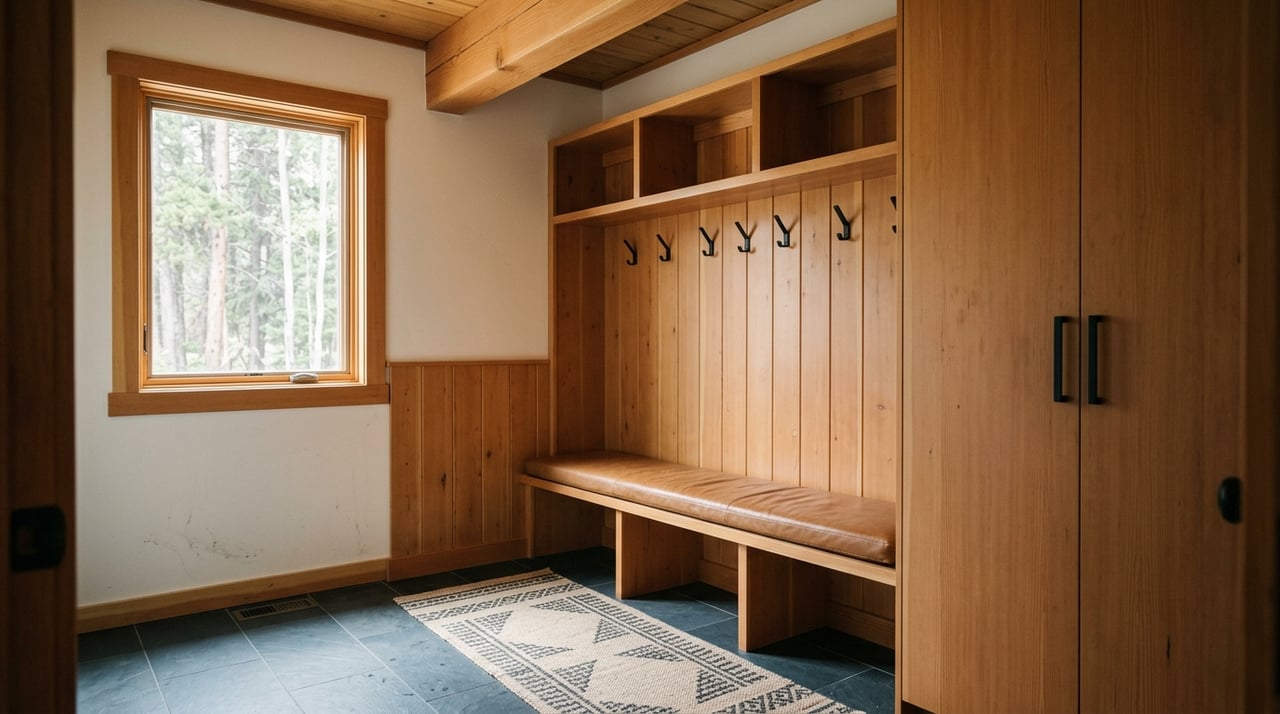
- Place a bench, rubber mat, and hooks by the entry for boots and helmets.
- Use labeled bins for gloves and goggles to reduce clutter and lost items.
- Choose washable rugs and durable finishes that handle slush and salt.
- Install a lockable owner’s closet if you plan to rent.
- Create a simple welcome book with shuttle details, parking rules, and appliance tips.
- Keep spare bulbs, filters, and batteries ready for quick fixes.
- Review HOA rules before any remodel, flooring change, or window upgrade.
How Erin Life helps
You deserve local guidance that blends lifestyle insight with transaction clarity. As a Grand County specialist with RE/MAX Peak to Peak, Erin Life represents buyers and sellers across resort condos, single-family homes, land, and acreage. You get boutique, high-touch service supported by modern tools, including an IDX property search, affordability tools, market snapshots, and a branded app.
For buyers, Erin helps you read HOA documents, understand rental policies, coordinate with lenders and insurance partners, and negotiate smartly. For sellers, marketing includes high-resolution photography and video, property microsites, targeted social campaigns, staging, open houses, and wide MLS syndication. It is all about clear guidance, strong distribution, and a smooth path to closing.
Ready to explore condos?
If Winter Park sounds like your place, let’s talk about your goals, timing, and must-haves. Whether you want walkable village living or a quiet Fraser base, you will get clear next steps and a search plan that fits your budget. Start with property alerts, market snapshots, and on-the-ground insight from a local who knows the rhythm of the resort. Reach out to Erin Life at Erin Life to get started.
FAQs
How long is the drive from Denver in winter?
- The typical drive is about 1.5 to 2 hours, but you should plan extra time for weekend traffic and active storms.
What are typical Winter Park condo HOA fees?
- Dues vary widely by building age and amenities, and some include utilities. Review current budgets and reserve studies to understand true costs.
Can I operate a short-term rental in Winter Park?
- Many owners do, but you must comply with town or county licensing and your HOA’s rules. Verify registration, safety, occupancy, and parking requirements before you buy.
What is the difference between village and Fraser condos?
- Village condos put you near lifts and amenities, often with higher dues and strong rental appeal. Fraser offers quieter settings, lower prices, and a quick shuttle or short drive to the resort.
What should I ask about snow removal and heating?
- Clarify who clears which areas, how ice dams are handled, how boilers or furnaces are serviced, and what freeze prevention steps are recommended for vacant periods.
How do parking arrangements usually work?
- Many buildings have assigned garage or surface spaces and limited guest parking on peak days. Confirm deeded spots, guest policies, and overnight rules.
When is the best time to tour properties?
- Visit in peak winter, spring shoulder, and summer to see how noise, shuttle flow, parking, and sun exposure change by season.